
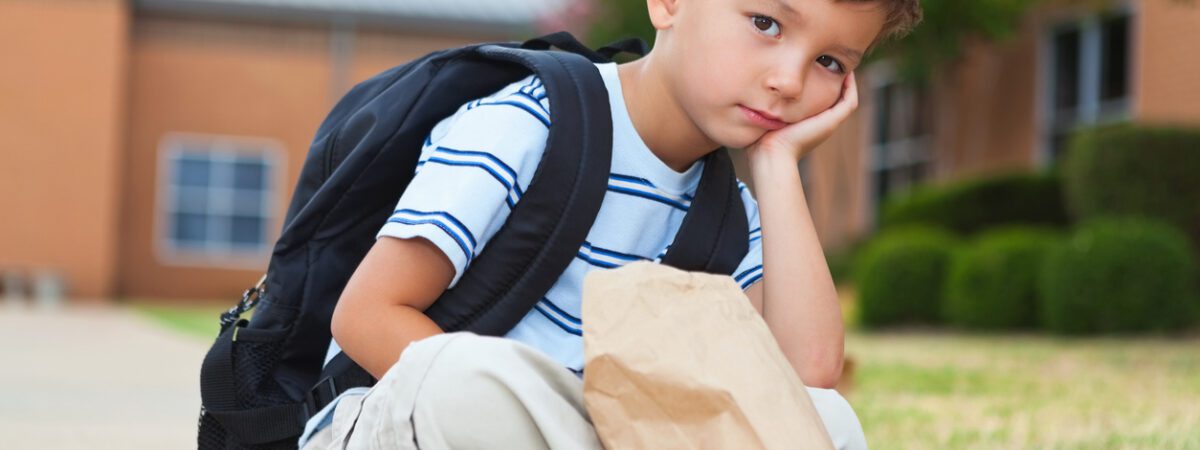
If you’ve ever asked your child how school was and been met with a dramatic sigh followed by, “It was the worst day ever,” you’re not alone.
Children have a way of turning everyday school moments into full-scale crises. The pencil was the wrong type. The teacher explained something in a confusing way. Lunch was apparently inedible. A friend sat somewhere else. It can all sound quite funny from the outside, and sometimes it is.
But behind even the most dramatic complaints, there’s usually something worth listening to.
“School Is So Boring”
This one comes up a lot, especially as children get older. It can mean the work feels too easy, or that it’s too difficult and they’ve disengaged. Sometimes it’s simply tiredness showing up as frustration.
Instead of brushing it off, it helps to ask a follow-up question. What part felt boring? Was it the topic, the pace, or how it was taught? You might find there’s a gap in understanding that’s making it harder for them to stay focused.
“The Teacher Doesn’t Like Me”
This one can catch parents off guard. Sometimes it’s based on a single moment that felt unfair. Other times it reflects a child feeling unsure or self-conscious in class.
It’s worth listening carefully before jumping to conclusions. Ask what happened and how it made them feel. Often, children need help separating facts from feelings.
You can gently reframe the situation without dismissing it. “It sounds like that felt frustrating. Let’s think about what might have been going on.” This helps them process the experience without feeling invalidated.
“Everyone Else Gets It Except Me”
This complaint is rarely funny when you look beneath the surface. It often signals a dip in confidence, particularly in subjects like maths or science, where lessons build quickly.
Children tend to compare themselves to others, even when those comparisons aren’t accurate. A few missed steps can make it feel like everyone else is miles ahead.
“I Don’t Want to Go to School”
This is the one that needs the most care.
Sometimes it’s said on a cold Monday morning and passes quickly. Other times, it can be a sign of something deeper, such as anxiety, friendship issues, or difficulties coping with school expectations.
In some cases, this may link to emotionally based school avoidance (EBSA), where a child feels unable to attend due to overwhelming anxiety. This isn’t about defiance or laziness. It’s about emotional well-being.
If your child regularly resists school or shows signs of distress, it’s important to take it seriously. Gentle conversations and support from the school can all play a role.
When Complaints Are Just… Funny
Of course, some complaints really are just part of being a child.
The glue stick was “ruined”. Someone “looked at them weirdly”. The classroom was “too hot and too cold at the same time”. These moments are part of growing up, and sometimes a bit of humour goes a long way.
Laugh with them where appropriate. It helps keep things in perspective and shows that not every frustration needs to be solved.
Finding the Balance
Parenting school-aged children often means walking a fine line. You don’t want to dismiss their feelings, but you also don’t want to turn every small complaint into a major issue.
Listening and asking the right questions usually works better than jumping straight into solutions. Over time, children learn how to process their own experiences with a bit more resilience.
And when something does feel bigger than usual, you’ll be in a stronger position to spot it early and look after their mental well-being.
If your child is struggling with school, whether it’s confidence or anxiety, Tutor Doctor is here to help. Find your nearest Tutor Doctor location today and arrange a free consultation to explore personalised support that meets your child where they are.


